

Residual Current Circuit Breaker
Why Choose Us
Business philosophy
The company always adheres to the business philosophy of "survive by quality, develop by technology, and achieve efficiency by management", and meets the current and future needs of customers with high-quality electrical products and services.
Rich industry experience
The company has been continuously upgraded through diversified sales products and services over the years, and has been praised by the majority of users! And enjoy a good reputation and credibility among consumers, and with a number of supporting manufacturers and agents to establish long-term stable cooperative relations.
24-Hour Service
Our dedicated 24-hour online support ensures prompt responses, providing you with an excellent shopping experience. Feel free to reach out with any questions at any time.
Fast delivery time
We have optimized production processes and supply chain management to achieve fast delivery times. With our advanced production scheduling system, we are able to accurately predict production cycles and respond quickly to order needs.
What is Residual Current Circuit Breaker
A residual current circuit breaker must be used in conjunction with a miniature circuit breaker (MCB). RCCBs are the safest device for protecting against earth currents and are utilised across an array of applications. They operate by quickly and automatically cutting off a power supply when unbalanced electric currents are detected. An unbalance may indicate a current leak, which can subsequently pose a significant risk to the circuit.
-
![Residual Current Breaker]() Residual Current BreakerA Residual Current Circuit Breaker (RCCB) is an electrical safety device that monitors the balance of live and neutral currents in a circuit and can automatically disconnect the circuit if it...read more
Residual Current BreakerA Residual Current Circuit Breaker (RCCB) is an electrical safety device that monitors the balance of live and neutral currents in a circuit and can automatically disconnect the circuit if it...read more -
![Current Limiting Circuit Breaker]() Current Limiting Circuit BreakerRated Current (In A): Depending on application requirements, the rated current of the Current Limiting Circuit Breaker varies, ranging from 16A to 630A.read more
Current Limiting Circuit BreakerRated Current (In A): Depending on application requirements, the rated current of the Current Limiting Circuit Breaker varies, ranging from 16A to 630A.read more -
![Current Circuit Breaker]() Current Circuit BreakerDesigned to limit the peak value of short-circuit current by swiftly breaking the circuit when a short circuit occurs. This type of circuit breaker can interrupt the circuit rapidly before the...read more
Current Circuit BreakerDesigned to limit the peak value of short-circuit current by swiftly breaking the circuit when a short circuit occurs. This type of circuit breaker can interrupt the circuit rapidly before the...read more -
![Rccb Residual Current Circuit Breaker]() Rccb Residual Current Circuit BreakerRCCB primarily monitors the difference between the loop current and the leakage current to automatically cut off the current when leakage is detected.read more
Rccb Residual Current Circuit BreakerRCCB primarily monitors the difference between the loop current and the leakage current to automatically cut off the current when leakage is detected.read more -
![Residual Current Operated Circuit Breaker]() Residual Current Operated Circuit BreakerThe primary leakage protection system is suitable for places with high requirements for personal safety, such as residences, hospitals, and schools.read more
Residual Current Operated Circuit BreakerThe primary leakage protection system is suitable for places with high requirements for personal safety, such as residences, hospitals, and schools.read more -
![Residual Current Breaker]() Residual Current BreakerDefinition: RCCB is short for residual current operated circuit breaker, which includes a short-circuit protection function, similar to an MCB (Miniature Circuit Breaker).read more
Residual Current BreakerDefinition: RCCB is short for residual current operated circuit breaker, which includes a short-circuit protection function, similar to an MCB (Miniature Circuit Breaker).read more


How To Choose And Install a Residual Current Circuit Breaker

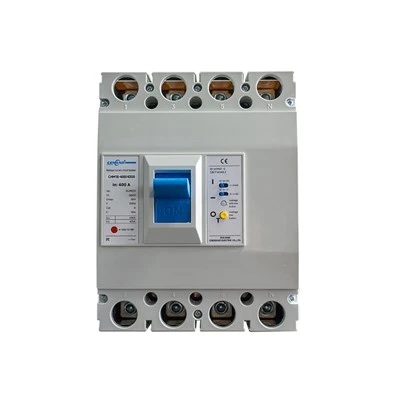
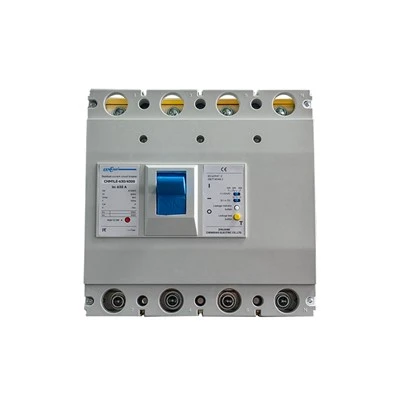
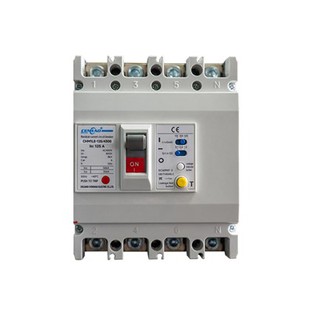
To choose the right RCCB for a circuit, the following factors should be considered
The type of load and current: The RCCB should match the type of load (AC, DC, high-frequency) and the type of current (pure, pulsating, smooth) that it will protect. For example, a type B RCCB should be used for a solar inverter that generates a smooth DC current.
The rated residual operating current (I∆n): The RCCB should have a low enough I∆n to provide adequate protection against electric shocks, but not too low to cause nuisance tripping. For example, a 30 mA RCCB is recommended for domestic and commercial applications, while a 100 mA RCCB is suitable for industrial applications.
The rated current (In): The RCCB should have a high enough In to handle the normal operating current of the circuit, but not too high to exceed the capacity of the MCB or fuse that it is connected with. For example, a 40 A RCCB should be used with a 32 A MCB for a 230 V single-phase circuit.
The number of poles: The RCCB should have the same number of poles as the supply voltage. For example, a 2-pole RCCB should be used for a 230 V single-phase circuit, while a 4-pole RCCB should be used for a 400 V three-phase circuit.
To install an RCCB, the following steps should be followed
Switch off the main power supply and isolate the circuit that needs to be protected by the RCCB.
Connect the live wire(s) from the supply side to the input terminal(s) of the RCCB marked as L1, L2, and L3.
Connect the neutral wire from the supply side to the input terminal of the RCCB marked as N.
Connect the live wire(s) from the load side to the output terminal(s) of the RCCB marked as L1’, L2’, and L3’.
Connect the neutral wire from the load side to the output terminal of the RCCB marked as N’.
Ensure that all connections are tight and secure and that no wires are loose or exposed.
Switch on the main power supply and test the RCCB by pressing the test button. The RCCB should trip and disconnect the circuit. If it does not, check for any wiring errors or faulty components and fix them before using the circuit.
Reset the RCCB by pressing the reset button. The RCCB should close and reconnect the circuit. If it does not, check for any wiring errors or faulty components and fix them before using the circuit.
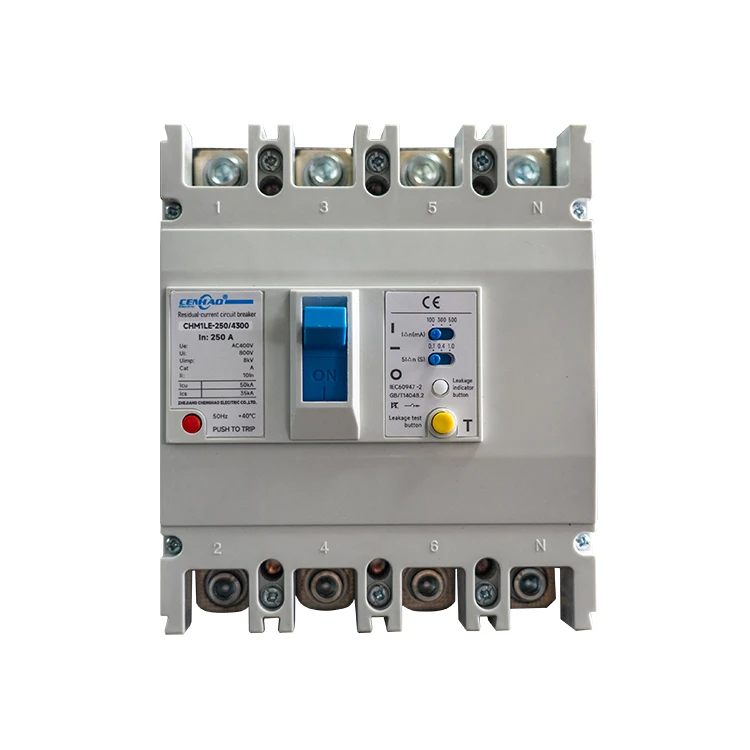
Type AC RCDs: Detect residual sinusoidal alternating currents. Suitable for most general-purpose applications.
Type A RCDs: Detect sinusoidal and pulsating DC residual currents from single-phase class 1 electronic loads with diode/thyristor rectifiers.
Type F RCDs: Detect multi-frequency residual currents with enhanced disturbance withstand for variable speed motor drives. It can also trip on pure 10mA DC faults.
Type B RCDs: Detect all kinds of residual currents – sinusoidal AC, pulsating DC, composite multi-frequency, and smooth DC from 3-phase rectifiers in variable speed drives, PV systems, EV chargers, and medical equipment.
The different RCCB types provide tailored protection against leakage currents produced by a wide range of modern electrical loads and systems, beyond just simple AC sinusoidal currents. Type B models with universal residual current detection are becoming the new benchmark for maximum safety.
Selection Principle Of Residual Current Circuit Breaker
1. Choose According To Purpose Of Use And Location Of Electrical Equipment
(1) Protection Against Direct Contact Electric Shock
Because direct contact with electric shock is harmful and has serious consequences, residual current circuit breakers with high sensitivity should be selected. For electric tools, mobile electrical equipment and temporary lines, residual current circuit breakers with action current of 30 mA and action time of 0.1s should be installed in the circuit.
If an electric shock is likely to cause secondary hurt (such as high-altitude operations), a residual current circuit breaker with an operating current of 15mA should be installed in the circuit. For electrical medical equipment in hospitals, a residual current circuit breaker with an operating current of 6mA should be installed.
(2) Indirect contact electrocution protection
Indirect contact electric shock in different places can cause different degrees of personal injury. Therefore, different residual current circuit breakers should be installed in different places. Residual current circuit breakers with high sensitivity are required in places with high hazards of easy electric shock. Electrical shock in wet places is much more dangerous than in dry places. Generally, residual current circuit breakers with action current of 15-30mA and action time of 0.1s should be installed. For electrical equipment in water, residual current circuit breaker with action current of 6-10mA and action time of US stage should be installed.
For electrical equipment which the operator must stand on metal objects or in metal containers, as long as the voltage is higher than 24V, residual current circuit breakers with action current below 15mA and action time at US level should be installed. For fixed electrical equipment with 220V or 380V voltage, when the grounding resistance of the enclosure is below 500fZ, a residual current circuit breaker with action current of 30mA and action time of 0.19s can be installed on a single machine.
For large electrical equipment with rated current above 100A or power supply circuit with several electrical equipment, residual current circuit breaker with action current of 50-100mA can be installed. For grounding resistance of electrical equipment below 1000fZ, residual current circuit breaker with action current of 200-500mA can be installed.
2. Choose based on the normal leakage current of the circuit and equipment
(1) The action current of the residual current circuit breaker used by a single machine should be 4 times higher than that of the leakage current under normal operation of the equipment.
(2) For the residual current circuit breaker used in branch line, the action current should be 2.5 times higher than the leakage current of the normal operation of the circuit, and 4 times higher than the leakage current of the electrical equipment with the largest leakage current in the circuit.
(3) The action current of residual current circuit breaker for main line or general protection of the whole network should be 2.5 times higher than that of leakage current under normal operation of power grid.
The Advantages Of Using Residual Current Circuit Breaker
Electrical Safety: RCCBs provide effective protection against electric shocks by swiftly disconnecting the circuit in the presence of a residual current, minimizing the risk of injury.
Fire Prevention: By promptly detecting and isolating faulty circuits with leakage currents, RCCBs contribute significantly to preventing electrical fires.
Equipment Protection: RCCBs safeguard electrical appliances and equipment by preventing damage caused by faulty currents, ensuring the longevity of devices.
Compliance with Standards: The use of RCCBs aligns with electrical safety standards, meeting regulatory requirements and enhancing overall electrical system safety.
Versatility: RCCBs are versatile and can be installed in various electrical installations, offering protection in residential, commercial, and industrial settings.
Early Detection: The rapid response of RCCBs to residual currents allows for early detection and mitigation of potential electrical hazards, ensuring a safer environment.
The working of an RCCB (Residual Current Circuit Breaker) is based on the Kirchhoff’s Current Law (KCL) which states that the incoming and outgoing currents in an electric circuit must be equal. The RCCB utilizes this law to compare the difference between phase and neutral currents in an electric circuit.
In any electrical circuit, the phase wire is the conductor that carries electric current from source to load and the neutral wire is the conductor that carries the electric current from load to source. Ideally, these two currents must be equal. This happens only when there is no leakage of current in the circuit.
In case of a fault, the current in the neutral wire becomes unequal to the current in the phase wire. The difference between these two currents is known as residual current. When the RCCB detects the residual current in the circuit, it trips off the circuit.
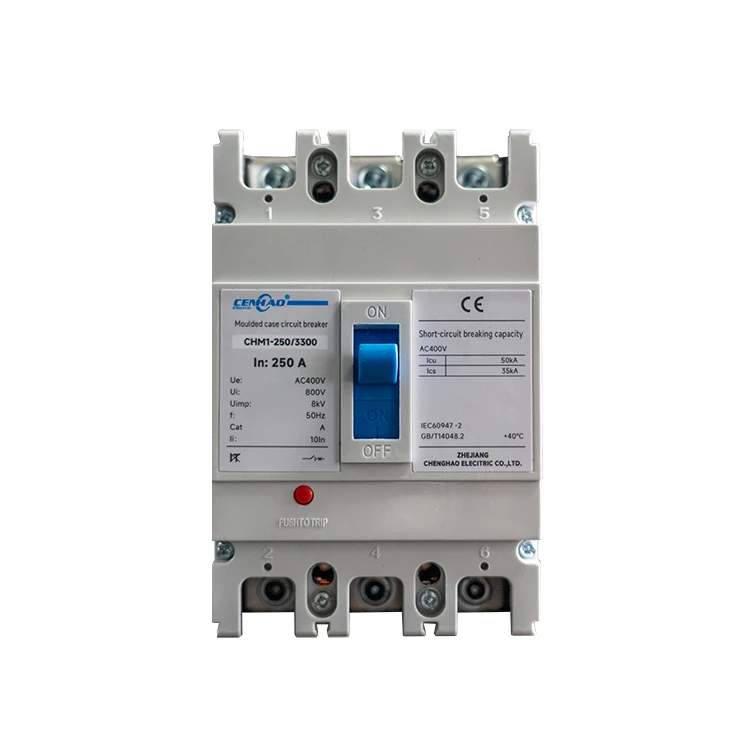
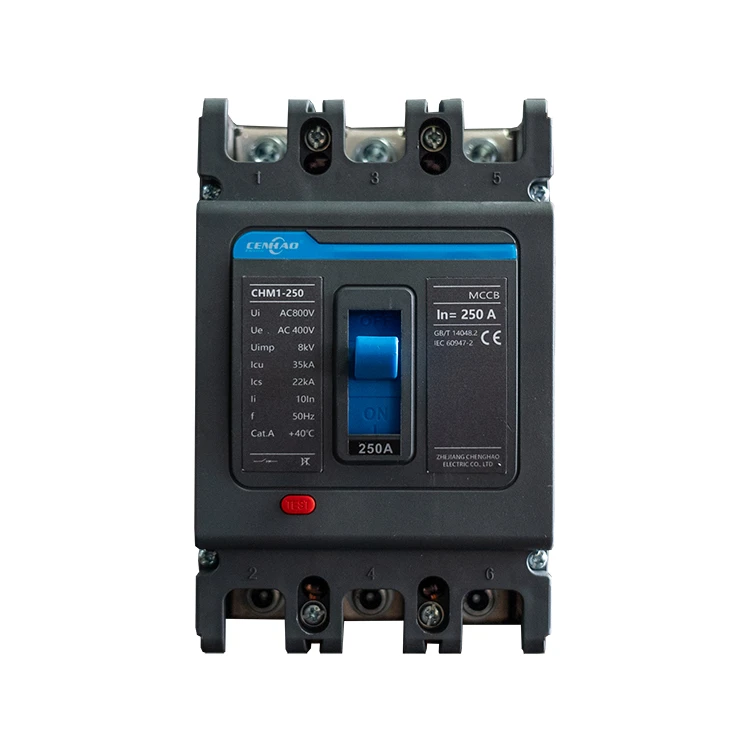
This can effectively avoid the occurrence of dangerous situations such as electric shock and fire. At the same time, residual current circuit breakers can also play a role in uninterrupted power supply protection, that is, in the event of an electrical fault, the power can be immediately cut off to prevent any personnel and equipment from being injured. Therefore, residual current circuit breakers are essential electrical equipment in modern household and industrial electricity environments.
To ensure the safe operation of electrical equipment in households, we can take various measures. One of them is to use residual current circuit breakers. The management of household appliances requires comprehensive consideration of various factors, including circuit breakers, switches, sockets, etc. These devices can provide effective protection for home electrical systems.
Circuit breakers are an important component of household electrical systems, and their series of products have functions such as short circuit protection, overload protection, leakage protection, and lightning protection. Among them, leakage protection is an important safety measure that can effectively solve the risks caused by leakage.
We should actively take measures to ensure the safe operation of the household electrical system, making the home a warm and comfortable harbor.
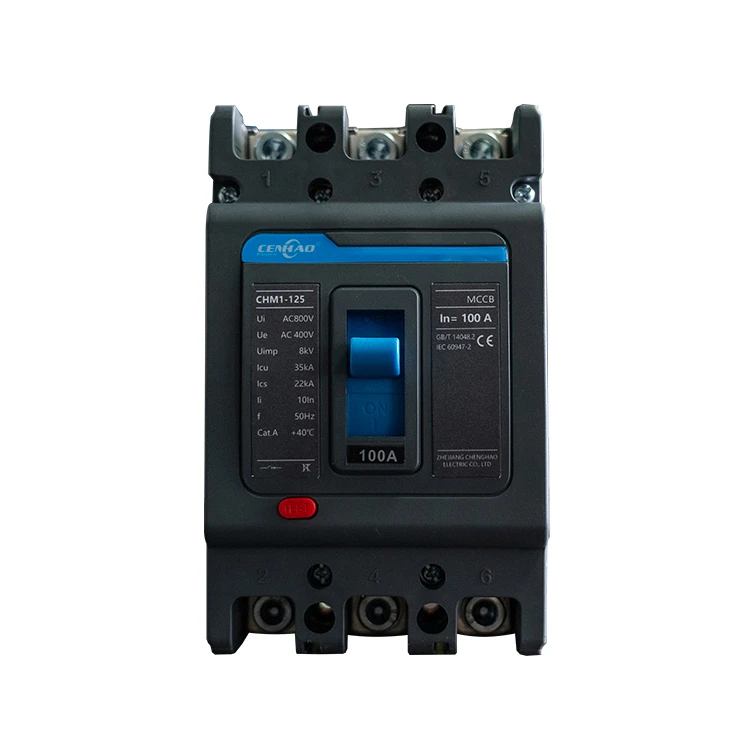
Selection and purchase of residual current circuit breakers
It is recommended to pay attention to the flexibility and safety of the product when selecting residual current circuit breakers. This type of circuit breaker should usually be installed on the circuit circuit circuit, with a current of 30mA and a working time of 0.1 seconds. It is widely used in residential spaces, especially recommended for installation at the meter location. Protecting circuits and ensuring life safety is always a concern for us, so choosing the right residual current circuit breaker is very important.
The degree of harm to the human body varies depending on the occurrence of indirect electric shock problems in different places. Therefore, when selecting residual current circuit breakers, it is necessary to select the most suitable product based on the actual situation. Especially for areas prone to leakage issues, we need to use more sensitive products to ensure people's safety. For example, in damp spaces, electric shock accidents are often more likely to occur. Therefore, in order to ensure the safety of the electrical system, we should choose a leakage circuit breaker with a current range of 15-30mA and a working time of no more than 0.1 seconds. This not only effectively avoids the occurrence of electric shock accidents, but also improves the reliability and safety of our electrical system.
When using underwater electrical products, safety must be ensured. Electrical appliances should be equipped with leakage protectors. It is recommended to choose a current value of 6-10mA, and the working time should not exceed US. At the same time, it is important to note that users should stand on metal tools. If the current exceeds 24V, a residual current circuit breaker with a current below 15mA and a holding time within US should be used. Protect your own safety, grasp the details, and make life more beautiful.
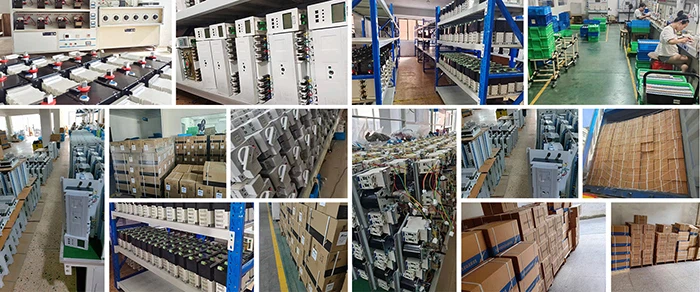
Yueqing City, Zhejiang Province, Fangdouyan Industrial Zone. The company focuses on the field of high and low voltage electrical equipment industry, specializing in the production of universal circuit breaker series, plastic circuit breaker series, small circuit breaker series, AC contactor series, surge protector series, load isolation switch series, isolation knife switch series, control and protection switch series, double power automatic transfer switch series, high voltage components series and other products.
FAQ
As one of the most professional residual current circuit breaker manufacturers and suppliers in China, we're featured by quality products and good price. Please rest assured to buy customized residual current circuit breaker made in China here from our factory.
residual current circuit breaker, Rccb Residual Current Circuit Breaker, Residual Current Breaker